Field guide · 12 species

A small field guide to what we grow.

Twelve species, each with a story. Some are crowd favorites, some are oddballs we couldn't stop ourselves from cultivating. Here's what they taste like, how to cook them, and when to expect them.

Currently fruiting8 species
Coming soonCauliflower, Hen
UpdatedThis morning
Pleurotus ostreatus

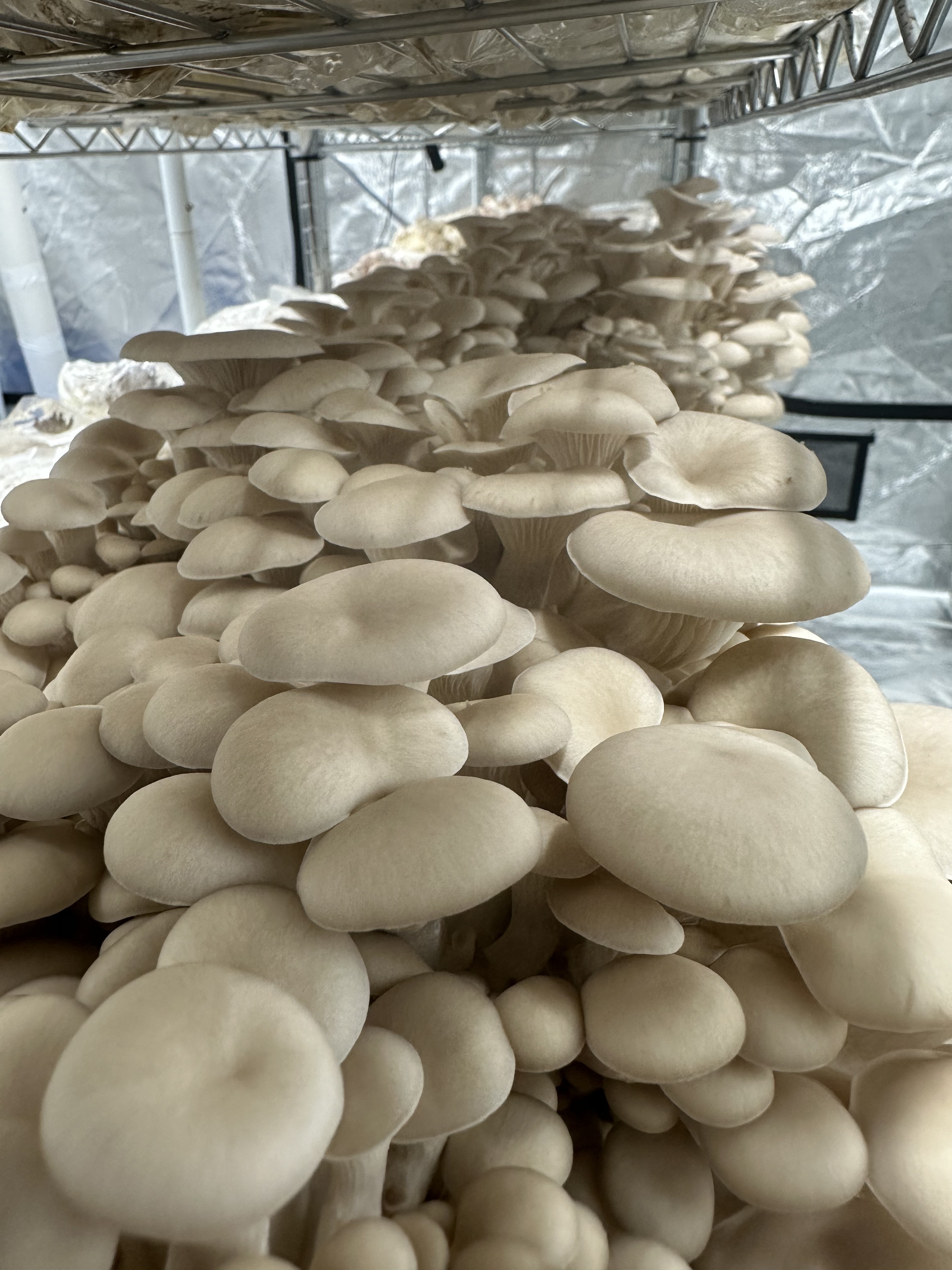
Blue Oyster

Our workhorse. Steel-blue caps that lighten as they age, with a clean, almost seafood-like flavor and a satisfying chew. The mushroom we recommend if you've never tried "real" mushrooms before.

  • TextureTender, layered
  • FlavorMild, anise-clean
  • SeasonYear-round
  • DifficultyBeginner
Crispy oven-baked Pasta Stir-fry Ratatouille
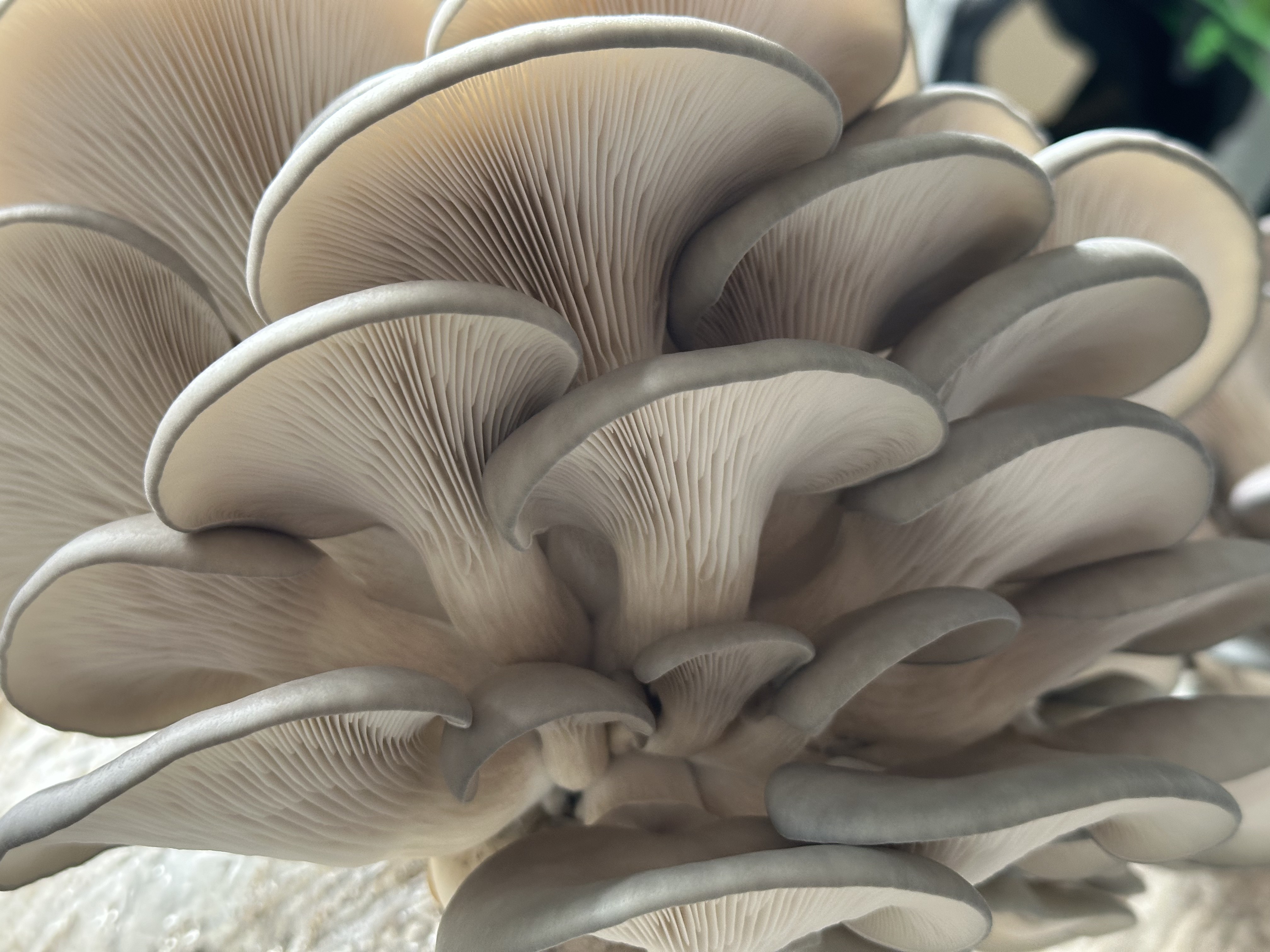
BLUE OYSTER — top-down cluster, blue tones
Pleurotus djamor

Pink Oyster

The showstopper. Vivid coral pink, fast-growing, with a smoky, bacon-adjacent flavor when crisped. Color fades with cooking — eat them young and bright. Doesn't keep well; we sell them the day they're picked.

  • TextureCrispy when seared
  • FlavorSmoky, savory
  • SeasonSpring — Fall
  • DifficultyBeginner
"Mushroom bacon" BLT-style sandwiches Tacos Chowder
PINK OYSTER — vibrant coral cluster, side-light
Hericium erinaceus

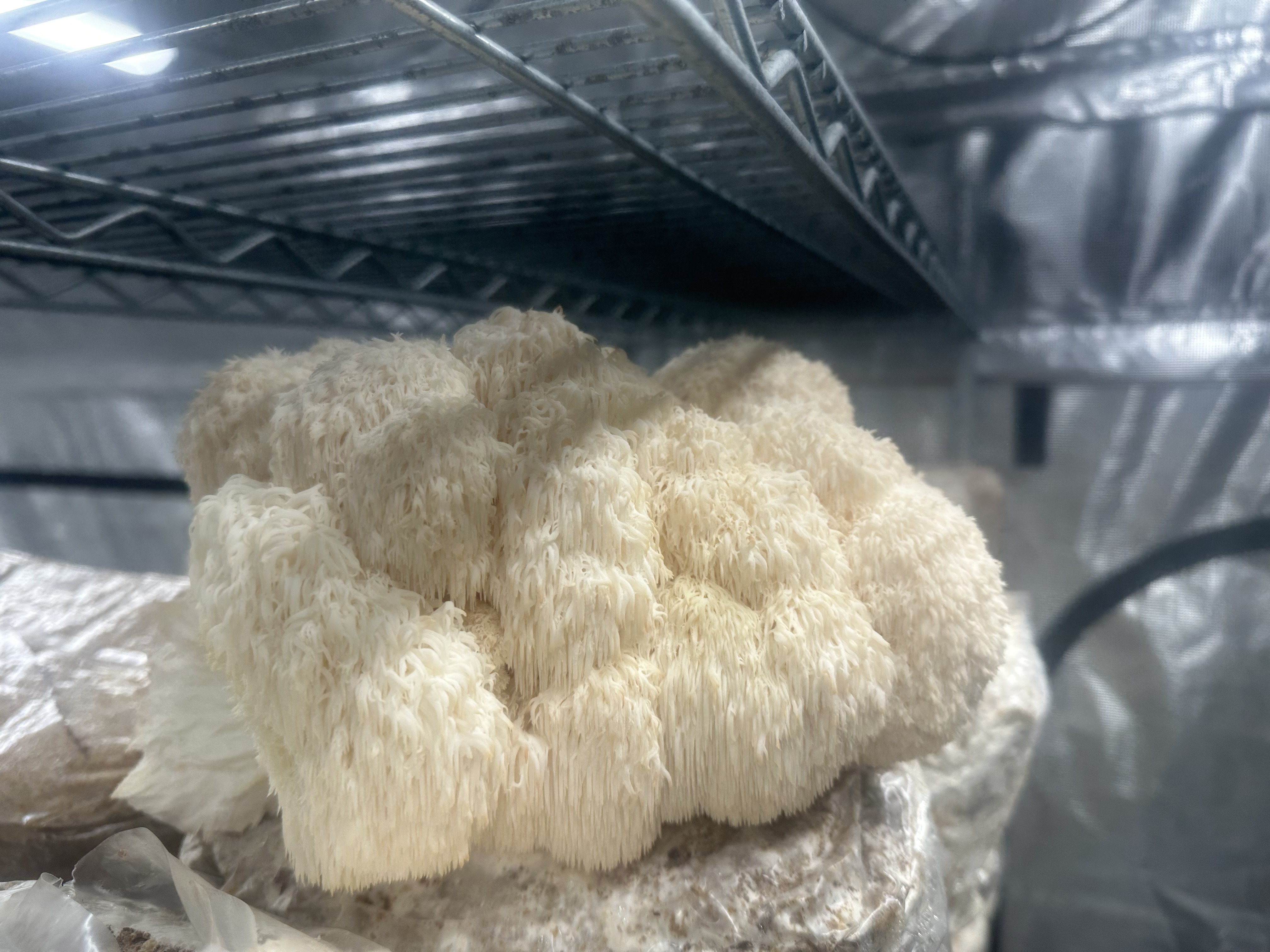
Lion's Mane

Bright white pom-poms with a texture eerily close to lump crab. Mild, sweet, slightly briny. We grow three isolations — Mane, Pride, and Paw — each with its own personality. Famous as a brain-loving functional mushroom.

  • TextureCrab-like, dense
  • FlavorSweet, briny
  • SeasonYear-round
  • DifficultyIntermediate
Crab cakes Steaks Brain-tonic tea Gnocchi
LION'S MANE — single specimen, dark backdrop
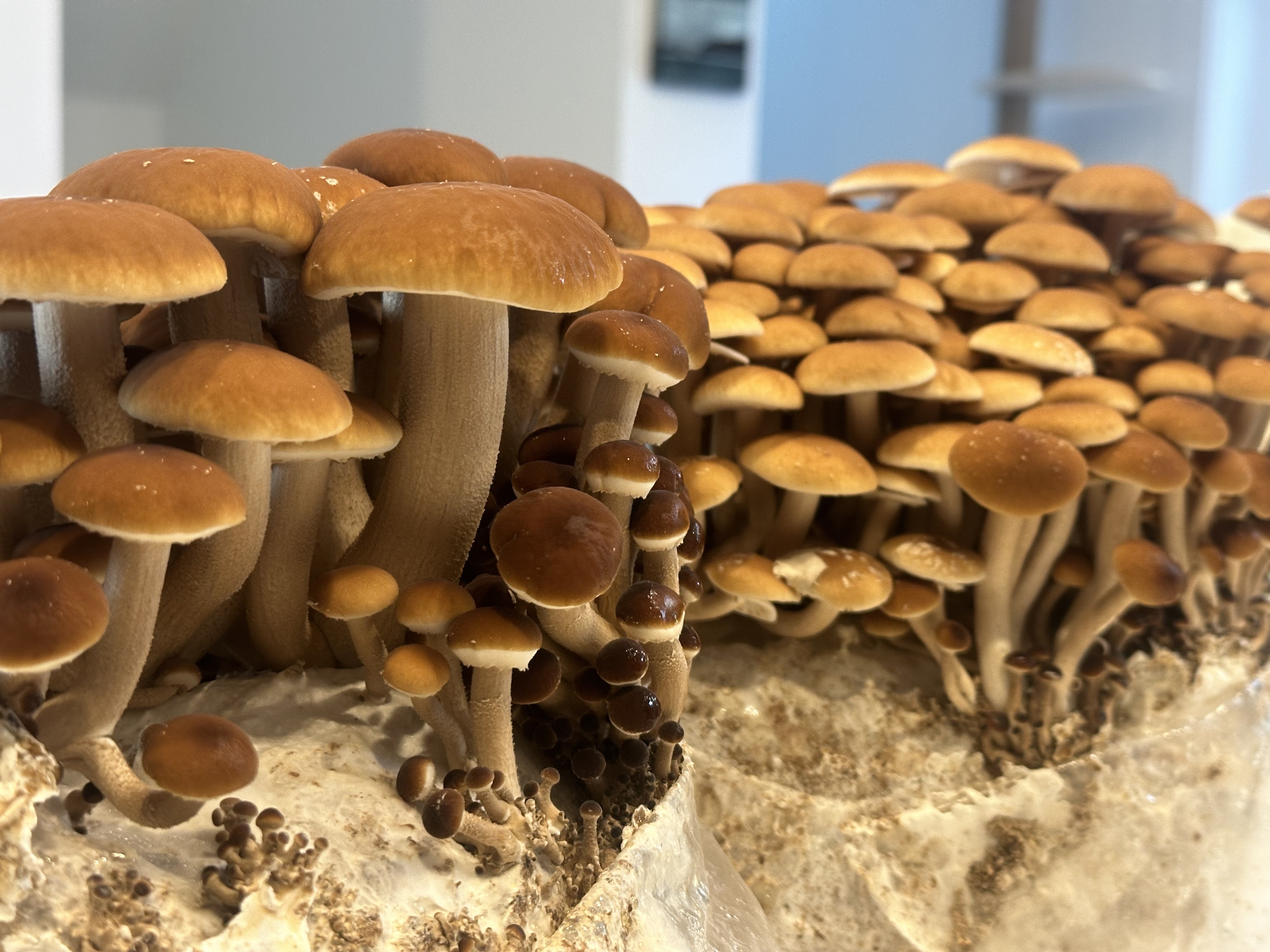
Pholiota adiposa

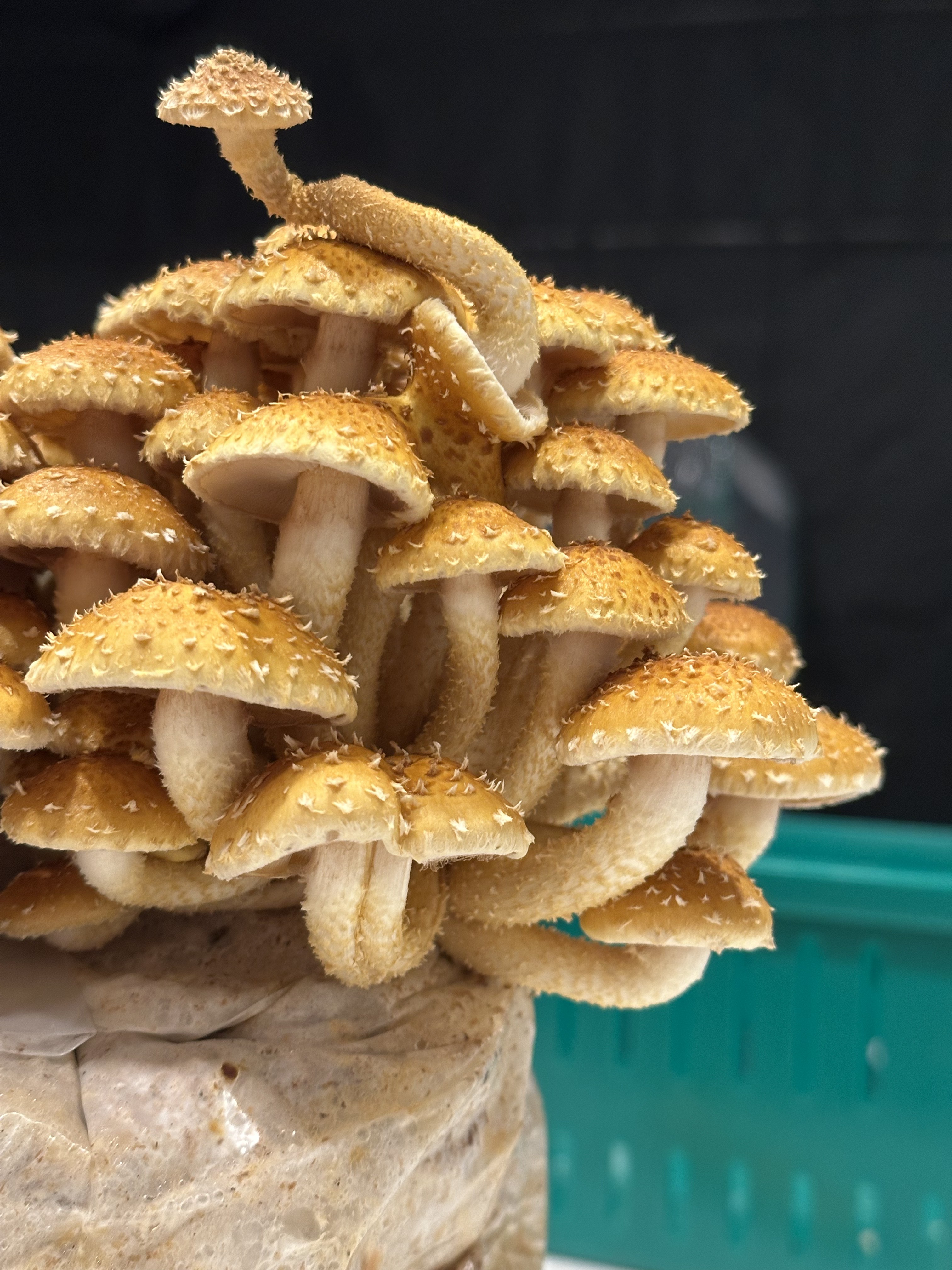
Chestnut

Caramel-brown caps with a glossy, almost lacquered surface. Snap of celery, flavor of toasted hazelnut. They keep their shape beautifully — perfect for any dish where the mushroom is meant to be seen.

  • TextureCrunchy, holds shape
  • FlavorNutty, woodsy
  • SeasonFall — Spring
  • DifficultyIntermediate
Roasted whole Risotto Pickled Hot pot
CHESTNUT MUSHROOM — glossy cluster on wood
Agrocybe aegerita

Velvet Pioppino

Long, elegant stems with chocolate-brown caps. Italians have cooked with these for centuries — for good reason. Peppery, earthy, a little sweet, with a satisfying snap that holds up to long braises.

  • TextureSnappy, firm
  • FlavorPeppery umami
  • SeasonYear-round
  • DifficultyIntermediate
Slow braise Pizza topping Bolognese Polenta
PIOPPINO — tall stems, brown caps, low light
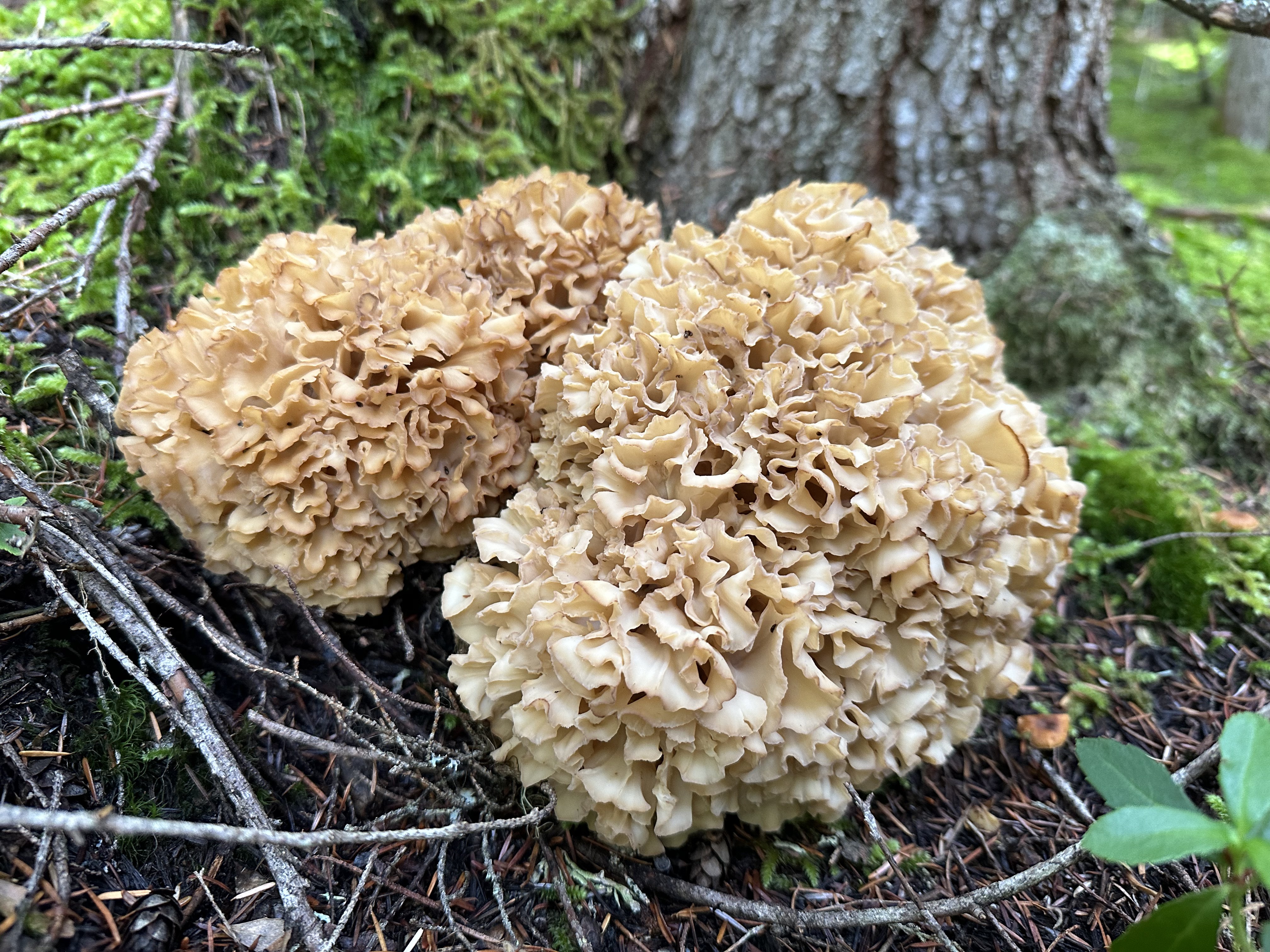
Sparassis crispa

Cauliflower

The strangest beauty in the room — frilly, lace-like, almost coral. Picked young, the layers separate into noodle-like ribbons. Rare even in specialty markets; we get a few flushes per year and they vanish quickly.

  • TextureNoodly, leafy
  • FlavorDelicate, savory
  • SeasonLate summer
  • DifficultyRare
Soup "noodles" Egg foo young Tempura Cream sauce
CAULIFLOWER MUSHROOM — frilly specimen on linen
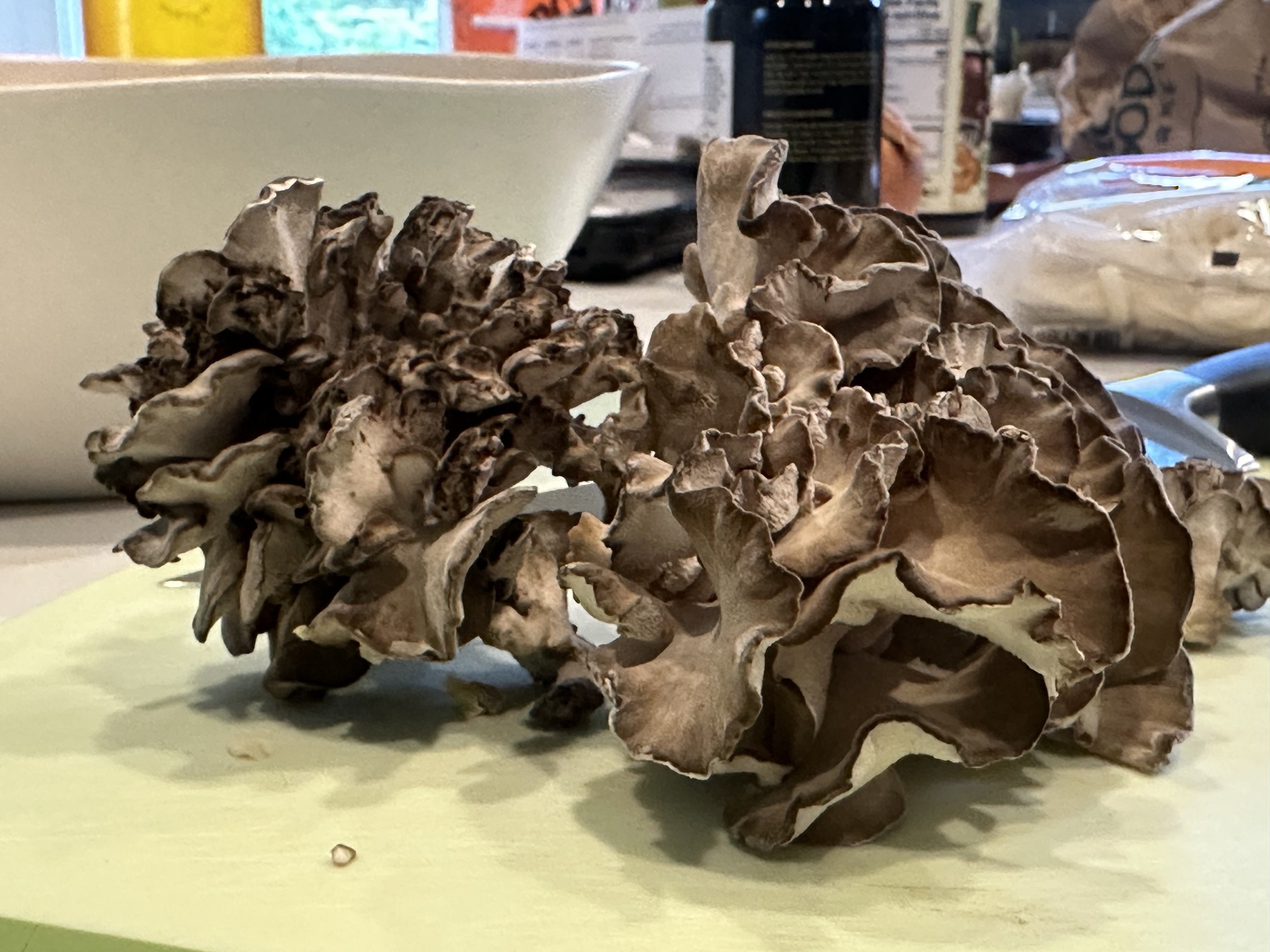
Grifola frondosa

Hen of the Woods

Layered fronds in soft browns and grey, with a flavor that punches well above its weight. Roast it whole, basted in butter, until the edges crisp. The chef's pick during its short window.

  • TextureLayered, meaty
  • FlavorDeep umami
  • SeasonFall
  • DifficultyAdvanced
Whole-roasted Brown butter sauté Stock base Pâté
HEN OF THE WOODS — full cluster on rustic board
Hypsizygus ulmarius

Elm Oyster

Often called an oyster but technically its own thing. Thicker and chewier than a true oyster, with a beautiful, almost ceramic-smooth cap. Holds its bite through long cooking — a stew's best friend.

  • TextureDense, chewy
  • FlavorMild, slightly nutty
  • SeasonYear-round
  • DifficultyBeginner
Stews Slow-cooked curries Grilled Confit
ELM OYSTER — single thick cap, soft light

See what's on the shelf today.

The shop updates each morning with what we picked. If it's there, it's fresh — and there's only ever as much as the grow rooms gave us.